How Septic Engineering and Design in Wantage NJ Helps Protect Groundwater
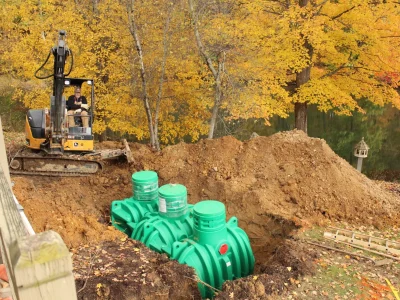
Groundwater protection is not an abstract environmental goal in Wantage. It is a local, practical concern tied to how people live every day. Much of Sussex County depends on private wells, and that means what happens below grade on one property can affect drinking water on that property and, in some cases, nearby parcels as well. When a septic system is properly engineered, carefully sited, and correctly installed, it quietly does its job for years. When it is poorly planned, the failure tends to show up where no homeowner wants it, in surfacing effluent, chronic backups, foul odors, and water quality problems that are expensive to fix.
That is septic engineering and design Wantage NJ why septic engineering and design Wantage NJ is not just a permitting step. It is one of the main lines of defense between household wastewater and the aquifers people rely on. Good design accounts for soil, slope, seasonal groundwater, lot constraints, daily flow, and the way the property will actually be used over time. In a place like Wantage, where rural development, variable soils, and private wells are part of the landscape, those details matter.
Groundwater and septic systems are directly connected
A septic system treats wastewater on site. Water leaves the home carrying organic matter, nutrients, pathogens, cleaning products, and suspended solids. Inside the septic tank, solids settle and some treatment begins. The clarified effluent then moves to a dispersal field where soil provides the final and most important treatment. That last step is often misunderstood. The drainfield is not just a place to dump water into the ground. It is an engineered treatment zone.
In that zone, soil texture, oxygen availability, depth to limiting layers, and unsaturated separation all affect whether contaminants are filtered, adsorbed, broken down, or transported. If the system is too close to groundwater, too close to a well, too shallow over bedrock, or overloaded beyond its design flow, the treatment process can be incomplete. At that point, contaminants move more freely and the risk to groundwater rises.
In Wantage, that risk is not theoretical. Rural lots often have one well and one septic system sharing the same property. Neighbors may have the same arrangement. Put enough homes in an area with thin soils or shallow seasonal groundwater, and the margin for error shrinks. Septic engineering exists to keep that margin from disappearing.
What makes Wantage a place where design quality matters
Septic design is local work. The same system that performs adequately in deep, sandy soil on a broad, flat lot may struggle on a tighter parcel with seasonal wetness and restrictive subsoils. Wantage presents a mix of conditions that reward careful engineering.
Some properties have generous acreage but challenging topography. Others appear simple at first glance, yet the test pits reveal mottling, fragipans, perched water, or shallow rock that narrows the choices quickly. There are also practical issues that show up in real projects: older homes being expanded, lots created long ago under different standards, driveways and outbuildings competing for space, and homeowners hoping to preserve lawns, woods, or views while still meeting code.
A sound design process has to reconcile all of that. It is not enough to identify where a system might fit on paper. The designer has to understand how water moves across and through the site, how construction will affect that behavior, and how the system will be maintained years after the permit is closed out.
The first serious safeguard is the site evaluation
People sometimes think design begins with selecting a tank size or choosing a bed versus trenches. In reality, it begins in the field, with the site itself. The observations made during soil testing often determine whether a project moves forward smoothly or turns into a redesign.
Test pits and soil logs tell a story that cannot be guessed from the surface. A backyard may look dry in midsummer, yet the subsurface can show clear evidence of seasonal high water. Another lot may seem limited because of slope, but deeper, well-drained soils in the right area may allow a workable layout with proper grading. That is where experience counts. An engineer who has spent time on Sussex County sites usually recognizes patterns that are not obvious to homeowners.
Key site factors typically include:
- soil texture and structure
- seasonal high groundwater indicators
- depth to bedrock or restrictive layers
- slope and surface drainage
- setbacks from wells, property lines, and water features
Each of those affects how wastewater will move after it leaves the tank. Fine-textured soils may accept water more slowly. Shallow limiting layers reduce treatment depth. Steeper grades can complicate stable installation and create runoff concerns during construction. Well setbacks are not paperwork trivia, they are part of the groundwater protection strategy.
Separation distance is one of the most important design judgments
If there is one concept that deserves more attention from property owners, it is vertical and horizontal separation. A septic system protects groundwater by allowing wastewater to pass through enough suitable unsaturated soil before reaching any limiting condition. That separation gives soil microbes and physical filtration processes time to work.
When that separation is reduced, treatment capacity drops. Pathogens survive longer. Nutrients move farther. Effluent can break out at the surface or migrate toward a well. This is why regulations place strict emphasis on distance from wells, streams, property boundaries, and seasonal groundwater, and why competent designers do not treat minimums as casual suggestions.
A smart engineer also plans for the real world, not just the day of inspection. Heavy wet seasons happen. Usage changes happen. Homeowners finish basements, add bedrooms, host relatives, or convert seasonal homes into full-time residences. Groundwater protection depends on a system that can handle those swings without operating at the edge of failure.
Why conventional systems are not always the best answer
There is a tendency among homeowners to hope for a simple gravity system because it is familiar and often less expensive up front. Sometimes that is exactly the right solution. On a suitable lot with adequate soils and setbacks, a conventional tank and gravity drainfield can serve a home reliably for decades.
But some Wantage properties call for something more tailored. Raised systems, pressure distribution, drip dispersal, advanced pretreatment units, and carefully engineered grading plans exist for a reason. They are not luxury upgrades. They are tools for creating effective treatment where site constraints would otherwise increase groundwater risk.
Pressure distribution, for example, can improve even loading across a field and avoid the uneven saturation that shortens system life. Advanced treatment units can reduce organic load or improve effluent quality before dispersal, which matters on sensitive sites. Mounded or at-grade solutions can provide the necessary vertical separation where native conditions fall short.
The trade-off is cost and complexity. More components usually mean more maintenance and more homeowner responsibility. Good septic engineering and design Wantage NJ involves matching the technology to the site without overbuilding and without pretending a marginal site is better than it is.
Design decisions that quietly protect water quality
The best septic systems are rarely noticed, and that is partly because the protective features are built into the design long before the first shovel hits the ground. Small decisions compound into long-term performance.
Tank sizing is one example. An undersized tank reduces detention time and allows more solids to move downstream. That in turn clogs soil pores faster and increases the chance of premature field failure. Pipe elevations are another. Poor elevations can create chronic dosing issues or backflow conditions. Then there is site grading. If roof runoff, driveway drainage, or upslope water is directed toward the disposal area, the field can become hydraulically overloaded even if the household wastewater flow is normal.
Construction timing also matters more than many people realize. A well-designed field can be damaged by being installed in wet conditions or compacted by heavy equipment. Once the soil structure is smeared or compressed, infiltration changes, and no drawing on paper can restore what was lost. Engineers who have been through enough installations tend to insist on staging, equipment access planning, and weather judgment because they have seen avoidable damage become permanent underperformance.
Repair work often reveals why original design matters so much
One of the clearest lessons in this field comes from failed systems. Repair projects often expose mistakes that trace back years. The drainfield may have been placed in the only buildable area left after a house addition, not the most suitable area from a soil standpoint. Surface water may have been allowed to sheet across the field every spring. Trees may have been planted too close. Pumping may have been neglected. Yet beneath those maintenance issues, there is often an original design compromise that made the system vulnerable from the start.
A common situation involves an older home on a constrained lot where the existing system predates current standards. The homeowner wants to renovate or expand, and suddenly the site must meet present requirements for replacement area, setbacks, and design flow. That is when the value of a thorough engineering approach becomes obvious. The task is no longer just to replace what failed. It is to create a durable, code-compliant system that reduces groundwater risk under current conditions.
This is where honest professional judgment matters. Sometimes the answer is workable with redesign and careful layout. Sometimes the lot’s limitations are severe enough that expectations have to change. Homeowners do not always welcome that message, but it is better than forcing a plan that may jeopardize a well or create a recurring failure.
Wells, neighbors, and cumulative impact
On individual properties, people naturally focus on their own home, their own budget, and their own timeline. Groundwater, however, does not recognize lot lines. One poorly performing system may not contaminate a neighbor’s well in every case, but the cumulative impact of many systems in a small area can become a concern, especially where lots are tighter or hydrogeologic conditions encourage movement toward shared aquifers.
That is one reason local review and competent engineering are important. A septic design should consider the broader setting, not just the footprint of the house and yard. Nearby wells, adjacent systems, drainageways, and topography all shape risk. On some properties, the best drainfield location is not the most convenient one for landscaping or future accessory structures. Keeping treatment areas in the right place protects more than one household.
This is also why reserve areas matter. A replacement area is not wasted land. It is a contingency that preserves long-term options and reduces the temptation to squeeze a failing replacement into a poor location later. From a groundwater protection standpoint, that reserve is part of responsible planning.
How permitting supports better outcomes when the process is taken seriously
Homeowners sometimes view permits as red tape. In septic work, the permitting process can be frustrating, but it serves a clear purpose. It requires documentation of soil conditions, setbacks, design flows, and construction details before wastewater infrastructure is buried and forgotten. That record helps verify that the system has a reasonable basis for protecting public health and water quality.
The quality of that process depends heavily on the quality of the submissions. Clean field data, accurate site plans, and designs that reflect the actual property conditions make reviews smoother and outcomes better. Vague assumptions or “make it fit” drawings tend to create delays, revisions, and preventable problems during construction.
On the ground, the best projects usually share the same pattern. The engineer has done a careful investigation, the installer understands the design intent, the health department review is addressed thoroughly, and the homeowner has realistic expectations about use and maintenance. Groundwater protection is strongest when those pieces align.
Maintenance is part of engineering, not separate from it
A septic system can be impeccably designed and still underperform if it is neglected. That does not mean design is less important. It means good engineering anticipates the need for maintenance and makes it practical.
Accessible risers, sensible pump chamber layout, serviceable components, protected replacement areas, and clear as-built records all support long-term care. Homeowners are far more likely to keep up with inspections and pumping if the system is easy to locate and service. Conversely, systems that are difficult to access tend to be ignored until symptoms become impossible to miss.
Routine care is not complicated, but it is essential. A few habits make a major difference over time:
- pump the septic tank on an appropriate schedule based on household size and use
- keep roof drains, sump discharges, and surface runoff away from the disposal area
- avoid driving, parking, or building over septic components
- use water efficiently to prevent hydraulic overloading
- address odors, wet spots, or slow drains early rather than waiting for failure
That final point is one I have seen repeatedly on real properties. A homeowner notices one soggy patch near the field edge in March and assumes it will dry up. It does, for a while. The next winter is wetter, the patch grows, and by summer the system is in visible distress. Early intervention is almost always cheaper and less disruptive than waiting until a full replacement becomes unavoidable.
Why water use inside the house affects groundwater outside the house
Many groundwater protection discussions focus on soils and setbacks, which they should. But indoor water habits matter too. A septic system is designed for a certain daily wastewater flow, often tied to bedroom count and expected occupancy. When actual use consistently exceeds that design basis, the field sees more hydraulic loading than intended.
The problem is not just volume, it is timing. A dozen smaller water uses spread across a day are easier on a system than several large loads stacked into a short window. Long showers, back-to-back laundry cycles, leaking fixtures, and water softener discharges can push a borderline system into stress. If the site conditions are already challenging, those patterns can shorten the treatment window in the soil and increase the chance that partially treated effluent reaches groundwater.
Good septic engineering and design Wantage NJ takes likely usage into account, but no design can neutralize chronic overloading forever. The combination that protects groundwater best is smart engineering paired with reasonable water management.
The role of advanced treatment on sensitive sites
Not every property needs advanced treatment, but on some sites it can significantly improve environmental protection. Advanced units may reduce biochemical oxygen demand, suspended solids, or other constituents before effluent reaches the dispersal area. That can preserve soil acceptance rates and enhance treatment performance where the native conditions leave less room for error.
There are trade-offs. Advanced systems usually involve higher installation costs, electricity, service contracts, and periodic monitoring. They are not a cure for poor siting, and they do not eliminate the need for proper setbacks and separation. Still, on constrained or sensitive lots, they can be the difference between a responsible solution and no viable solution at all.
The important point is that technology should follow the site, not the sales pitch. A good engineer recommends advanced treatment because the property conditions justify it, not because it sounds impressive.
What homeowners should ask before committing to a design
Homeowners do not need to become septic engineers, but they should ask informed questions. The strongest projects usually involve owners who understand the basics of how their system will protect their water supply.
Before moving ahead, it is worth asking how the proposed location was chosen, what the limiting site conditions are, how much vertical separation the design relies on, where the reserve area is, and what maintenance the system will require over the next decade. It is also wise to ask how future changes to the property, such as additions, patios, pools, sheds, or driveway expansions, could affect the septic layout.
Those conversations often reveal the difference between a design that merely meets minimum paperwork requirements and one that is truly planned for the life of the property.
Quiet infrastructure, lasting impact
When septic systems are discussed only after something goes wrong, it is easy to miss how much protection thoughtful engineering provides. A well-designed system manages wastewater safely, preserves septic engineering and design Wantage NJ usable land, supports permitting for homes and additions, and most importantly helps keep groundwater clean in a region where many residents depend on wells.
That protection starts long before installation. It starts with reading the land honestly, respecting the limits of the site, and designing with enough care that the soil can do its treatment work properly for years. In Wantage, that level of attention is not excessive. It is the standard that groundwater protection requires.
For homeowners, builders, and property buyers, the lesson is straightforward. Septic engineering is not a box to check. It is a practical investment in water quality, regulatory compliance, and the long-term health of the property. Done well, it stays out of sight. Its benefits do not.
Excavating New Jersey LLC
406 County Road 565
Wantage, NJ 07461
(973) 791-4284
FAQ About septic engineering and design Wantage NJ
Who can design a septic system?
A New Jersey licensed professional engineer can assess the property and prepare the design. The local administrative authority can explain the applicable submission and permit requirements.
Why would I need an engineered septic system?
Soil conditions, groundwater, setbacks, lot size, or the expected wastewater flow can affect which designs are suitable. A site evaluation helps identify options for the property.
How much does it cost for an engineer to design a septic system in NJ?
Costs vary with site conditions, testing, surveying, and the scope of the design. Ask for an itemized quote that separates engineering, tests, permits, and installation.